DARMOWA DOSTAWA DLA ZAMÓWIEŃ POWYŻEJ 159ZŁ

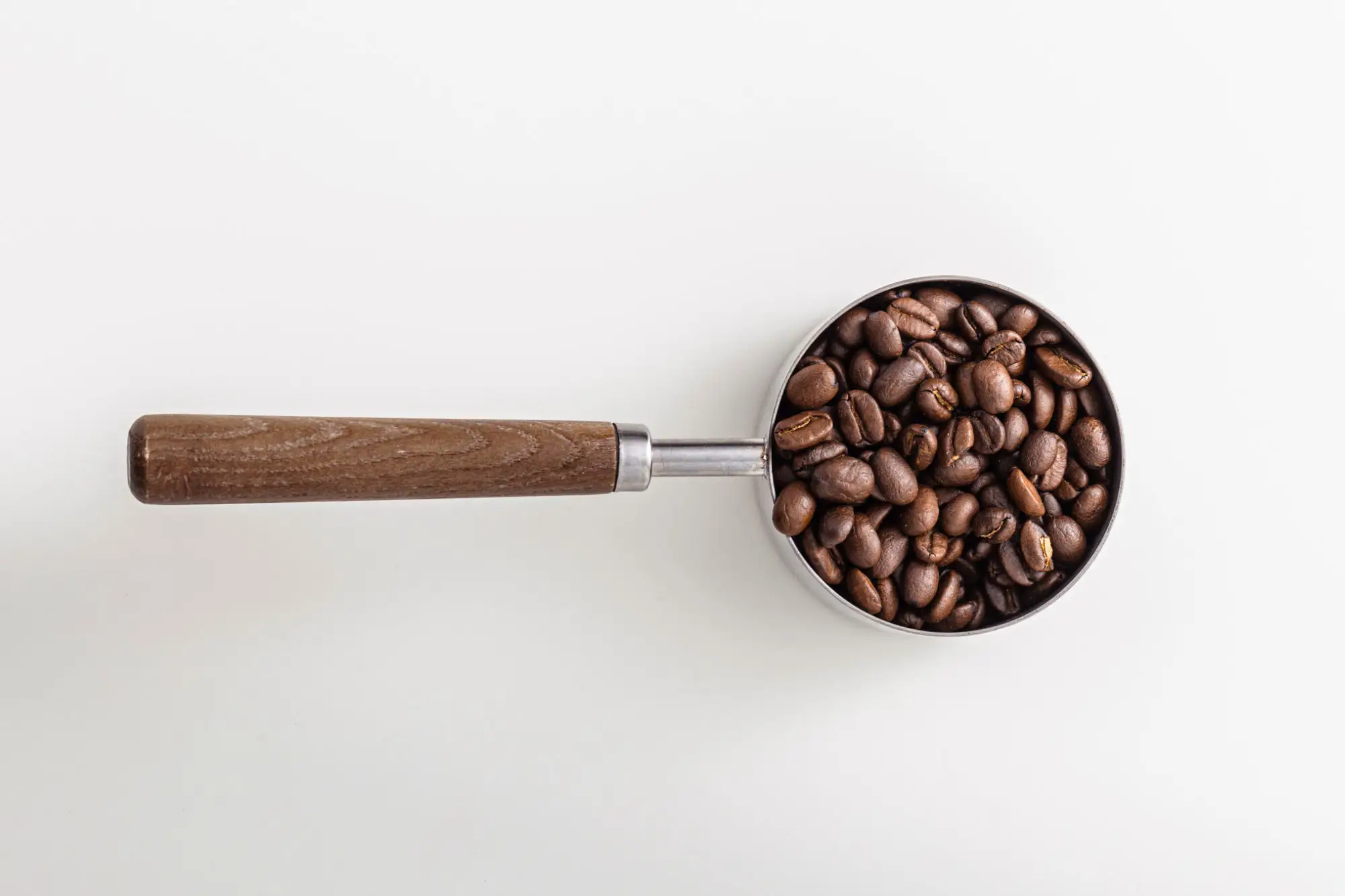
Arabica and Robusta. The eternal relationship between quality and price can be seen in many of the products we buy every day. When reaching for coffee at a local store or online retailer, we have to ask ourselves this main question every time - what do we care more about.
It is said that Robusta is such a cheaper sister of Arabica, but what is it really like? Let's see together.
Robusta (Coffea canephora) is native to West and Central Africa and is often associated with more low-lying regions (up to 800m above sea level). It withstands harsher climatic conditions and is more resistant to coffee pests and diseases. Its cultivation forms the basis of coffee production in countries such as Vietnam, Uganda and parts of Indonesia.
Robusta is known for its bolder character. It is often described as having a stronger, slightly sharper flavor with a distinct bitterness. It is for this reason that it is favored as an ingredient in espresso blends, as its flavor profile blends well with milk coffees. In addition, it boasts a high caffeine content of 2.2% to 2.7% , which may please anyone who has trouble getting out of a warm and comfortable bed on a winter morning.
Choosing a cheaper coffee bean or instant coffee, we can be sure that some of the content is definitely robusta.
What is the case with its more premium sibling?
Arabica (Coffea arabica) is often referred to as "real coffee" and is believed to be native to the highlands of Ethiopia. It grows at higher elevations, usually between 800 and 2,000 feet above sea level. Its beans are particularly popular in countries such as Ethiopia, Colombia and Brazil. It is known for its complex, deep character with a wide range of delicate, fruity, floral and acidic notes. The flavor, in her case, is heavily influenced by the altitude of the crop, processing methods and the care taken to select only ripe fruit immediately after harvest.
Arabica beans contain less caffeine compared to Robusta beans. On average, Arabica coffee beans contain about 1.2% to 1.5% caffeine. This lower caffeine content contributes to a milder taste. Additionally, we don't have to worry about drinking 2 or 3 cups in a day.
But why the difference in price? Arabica accounts for most of the world's coffee production. This is partly due to the greater demand for the variety and the fact that Arabica is often more difficult to grow, resulting in lower yields. Arabica coffee plants are generally more tender and susceptible to disease. They require more care and protection such as shade, consistent rainfall and specific growing temperatures.
When its optimal conditions are maintained, it boasts an incredibly diverse and rich flavor. Because of this, it is the preferred choice for specialty coffee. It is a favorite of baristas and coffee connoisseurs who appreciate its diverse character.
The debate over Arabica and Robusta has been going on for many years. Your coffee preferences ultimately depend on your taste, and only you will know what you are looking for in your morning sip of this delicious beverage. Whether you appreciate the subtlety of Ethiopian Arabica or a bold espresso containing Robusta, the world of coffee is vast and everyone will discover something for themselves. It's a journey that begins with a single bean and can take you on an adventure of a lifetime through the diverse, complex and delightful world of coffee.