DARMOWA DOSTAWA DLA ZAMÓWIEŃ POWYŻEJ 159ZŁ


Have you ever stood in front of a shelf full of all sorts of coffee and wondered what kind you like?
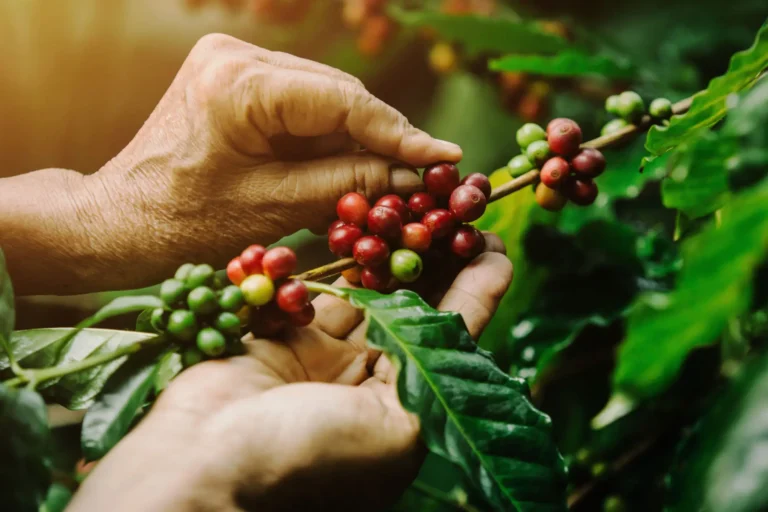
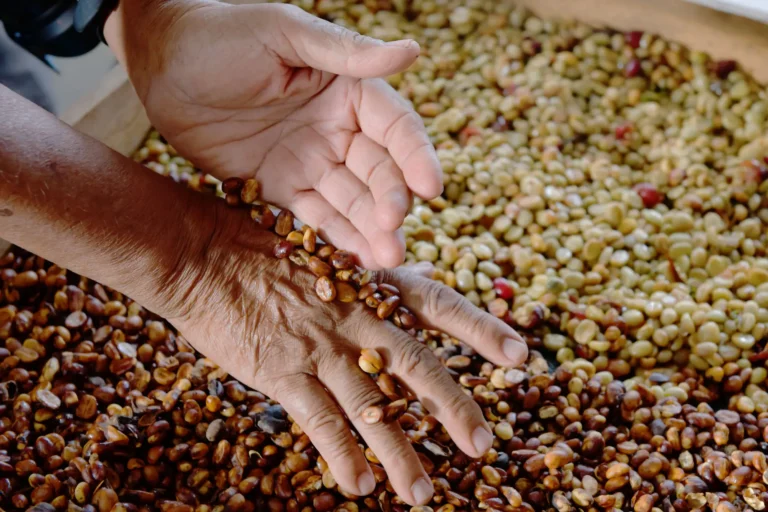
Coffee is grown in more than 50 countries around the world. Thanks to regional differences in factors such as altitude, climate, soil and processing methods, each country produces unique coffees with very different characteristics.
Some countries produce exclusively chocolatey, sweet coffees, while others produce distinctly acidic coffees with intensely fruity notes. Coffees from one country may have a thick, syrupy aftertaste in the mouth, while others almost resemble tea. The possible combinations are almost endless.
In this article we will discover the differences in coffee flavors from different continents.

Central America: Delicacy and Fruitiness
Coffees from Central America are best known for being extremely well balanced. Coffees from this region are slightly sweet and often contain milk chocolate, cocoa, brown sugar and mild fruit notes with varying levels of acidity.
Mexico: Mild acidity and light body. Usually contains mild notes of caramel or nuts. There are also some slightly fruity varieties.
Costa Rica: Well balanced with medium fleshiness. Brown sugar sweetness, stone fruit, floral aroma.
Nicaragua: Smooth coffee with a medium body. Flavor of chocolate balanced by the addition of citrus. Sweet aroma with notes of cocoa, caramel and a fruity finish. Flavors may be slightly blended depending on individual coffee processing practices in the region.
Guatemala: A full-flavored coffee with an intense, rich aroma. Strongly chocolaty in the darker roast becomes slightly fruity with bright, apple-like acidity in the light roast.
South America: classic flavor and sweet fruitiness
With two major coffee-producing countries in the global market, South America has a strong influence on palates around the world. Like coffees from Central America, South American coffees are generally well balanced, but tend to be mildly more acidic, with a more pronounced sweetness and complex aroma. Chocolate, nuts and caramel are common notes. These coffees also tend to be slightly fruitier than their Central American counterparts.
Brazil: Most people equate it with "classic" coffee flavor, and you can't blame them. Often the country's beans are the basis for coffee blends or instant coffees. Flavors (and quality) vary widely in this vast country, but in general you can expect flavored coffees with chocolate, nutty and slightly fruity accents, with a medium to full body and mild acidity.
Colombia: Another "classic" coffee with a deep flavor, but often more complex than Brazilian coffee. Aromas of nuts and fruit with a strong caramel flavor and a light fruity aftertaste. In a light roast it has a lively and pronounced acidity.
Bolivia: Less common than coffees from Brazil or Colombia. Mild, delicate, almost tea-like. Often has aromas of nuts, cocoa, caramel, honey and stone fruits.
Peru: An essential representative of this coffee continent. Flavors of stone fruits and flowers with a fruity aroma. Citrus pronounced acidity in a light roast. This is the coffee from Peru.
Africa: Spicy and Juicy Aromas
African coffees open our taste buds to a whole new experience than Latin America. They are so different that new coffee enthusiasts are often shocked when, after the first sip, they find that coffee can taste so different. Coffees from Africa tend to be sweet, with pronounced fruity notes, strong floral and even vinous aromas. Of course, since Africa is a vast continent, coffee can vary greatly from country to country. However, the common topography, climate and processing methods give a general idea of the flavors that can be expected.
Ethiopia: The cradle of all coffees and a very unique representative of our favorite beverage. Mainly known for its strongly fruity flavors, usually berry or strawberry, noticeable jasmine aroma and tea-like texture.
Kenya: Whole books could be written here. Bright, expressive and juicy. Rich, full body. Almost vinous. Citrus aromas, such as grapefruit. Tartness of black currant. High acidity and extremely clean finish are the result of great processing.
Rwanda: Rich and sweet flavor experiences are combined here with distinct notes of fruit and flowers. Black currant and dark berries. Cane sugar. The aroma includes citrus notes such as orange, tangerine and lemon.
Burundi: Very similar in its flavor profile to coffees from Rwanda thanks to the shared border. Clean and sweet. Prominent notes of forest fruits. Hints of citrus and pineapple. Medium body. Prominent acidity. This is the coffee from Burundi
Tanzania: Certainly a serious representative among African coffees to occupy one of the places on the podium of the best coffees of that continent. Bright and lively with a distinct dose of sweet fruit and berry notes. The vinous acidity wonderfully complements the already rich flavor profile. In places we also have the opportunity to encounter darker sensations like aromas of cedar or tobacco.
Asia and Oceania: Smoothness and Spicy Notes
Asian coffees are often viewed through the prism of Indian or Vietnamese Robusta. They are usually known for being bold, earthy and sometimes even smoky. Although many Asian countries, such as Vietnam (the world's second-largest coffee producer), the Philippines and Malaysia, are growing coffee with an increasing focus on the quality of the final bean a huge percentage of the crop is still occupied by Robusta or other unknown varieties.
Sumatra: Although coffee is grown throughout Indonesia in places like Java and Bali, coffee from the island of Sumatra is what you'll mostly find at your local coffee shop. These coffees tend to be very rich and full-bodied. Earthy and herbal flavor. Distinct notes of spice and wood. An aftertaste of dark chocolate and subtle fruit remains on the tongue. These coffees are usually available in dark roasted versions, although this is beginning to change.
Papua New Guinea: One of our contenders for best coffee. Sweet and very complex. Clean with a full body. Flavor of molasses, herbs and caramel. Notes of tropical or stone fruit and chocolate. Prominent acidity. These are just some of the qualities of this remarkable coffee.
Different countries produce coffee with very different flavors. While origin cannot tell us everything about coffee, it is a good starting point to find what you are looking for in coffee.
The next time you come across a coffee that you really like, try to remember what country it came from. Then, when you're ready to try something new, you can use the above guide to choose a coffee from another country that sounds promising. You may find a new favorite coffee.