DARMOWA DOSTAWA DLA ZAMÓWIEŃ POWYŻEJ 159ZŁ

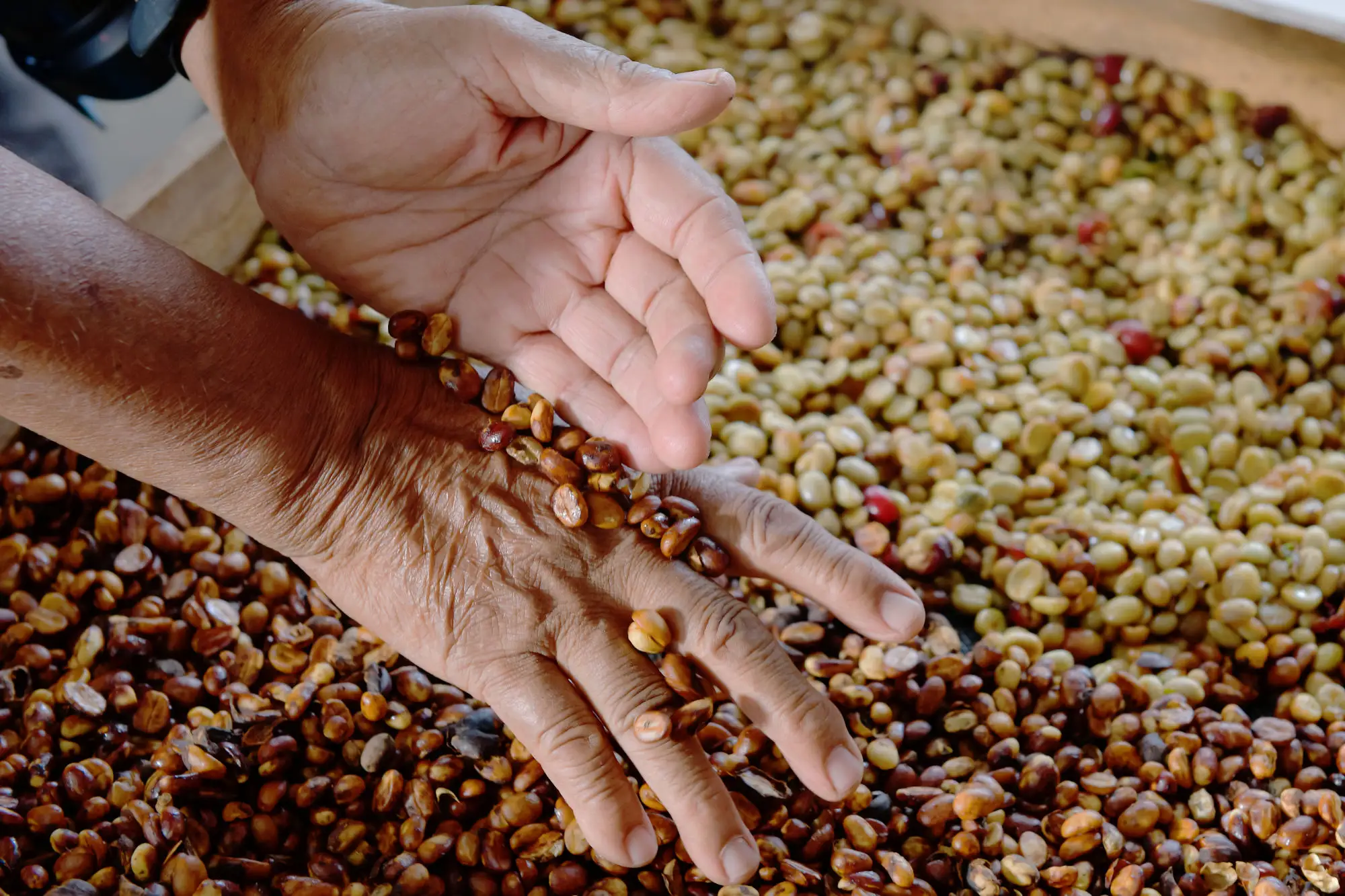
Coffee processing is an extremely fascinating and complicated process. It directly affects the taste and aroma of our favorite beverage. Before the aromatic packet reaches your hands, it passes through a number of important stages. One of the key ones in shaping the taste of coffee is the process of processing coffee fruits.
Each country, region and plantation has its own unique approach to their processing, which leads to differences in the flavor, aroma and texture of the final brew. Today we will explore these differences and how they affect the final product.
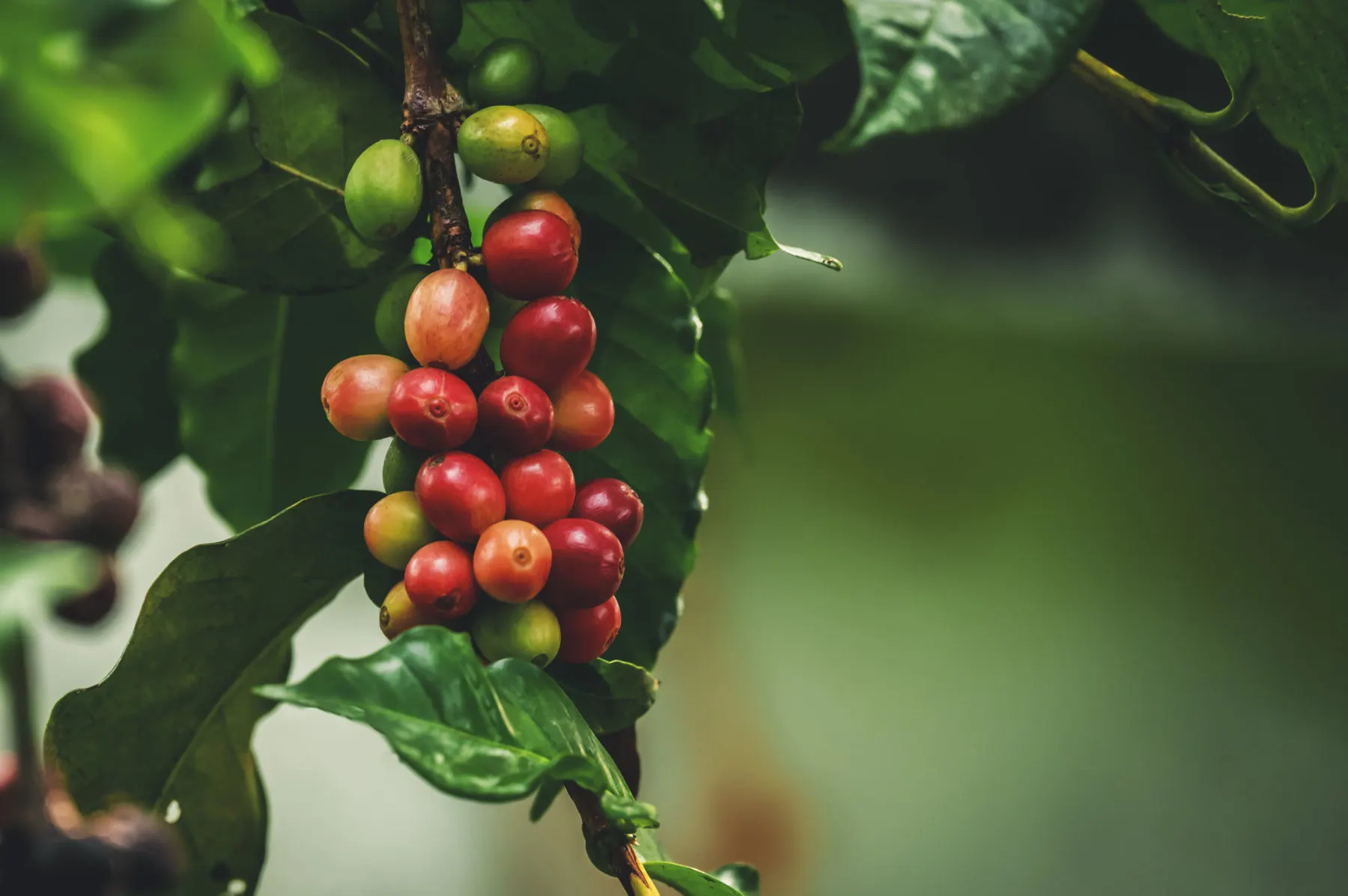
Raw Coffee Fruits
To begin with, you should know that coffee grows on coffee bushes in the form of red, juicy fruits called coffee cherries. The inside of these fruits hides the seeds that will later be processed into coffee. The coffee processing is the step where these seeds are extracted, dried and prepared for roasting.
Coffee processing methods
There are three main methods of processing coffee:
Wet processing of coffee beans (washed), also called the "wet method" or "wet processing method," is one of the main coffee processing processes. It is a process in which coffee beans are separated from the coffee fruit and processed using water.
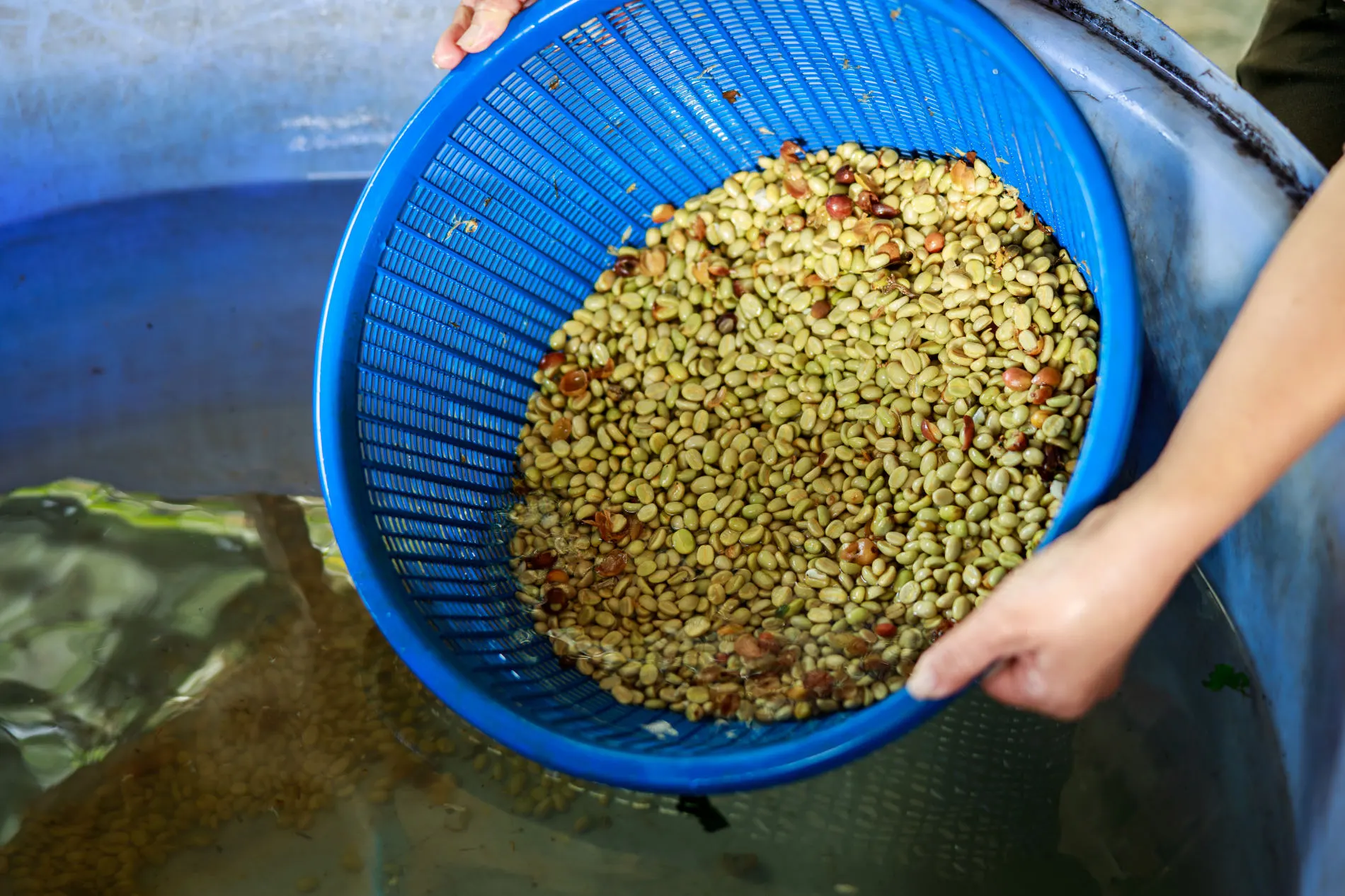
After the coffee fruit is harvested, the beans (i.e. coffee seeds) must be separated from the fruit pulp. Special pulp removal machines are often used for this purpose. The coffee beans are then submerged in water to remove the remaining pulp. The water breaks down the enzymes present in the fruit, which can affect the flavor profile of the coffee. Fermentation time depends on preferences and regional traditions. After fermentation, the coffee beans are thoroughly washed and cleaned to remove any remaining pulp and fruit shells.
The coffee seeds are then spread out on flat surfaces (e.g., solar dryers) and left in the sun to dry to the right moisture level. Drying is an important step because it affects the quality of the coffee and its shelf life. After drying, the coffee beans are processed to remove the shells (husks) that surround them. Once the shells are removed, the coffee beans are sorted and selected for quality and size. Finally, the processed coffee beans are bagged and prepared for transport to roasting sites.
The wet method of processing coffee beans is revered in the coffee world for bringing out delicate and refined flavors, preserving the unique flavor character of the region where the coffee comes from. It's also a process that requires water and careful quality control, which can make it more costly compared to other processing methods, such as the dry method.
The natural method of coffee processing (natural), also known as the "dry method" or "dry processing," is one of the main processes for processing coffee beans. The process begins with the harvesting of ripe coffee fruits, known as coffee cherries. With the natural method, the coffee beans remain inside the fruit while being picked
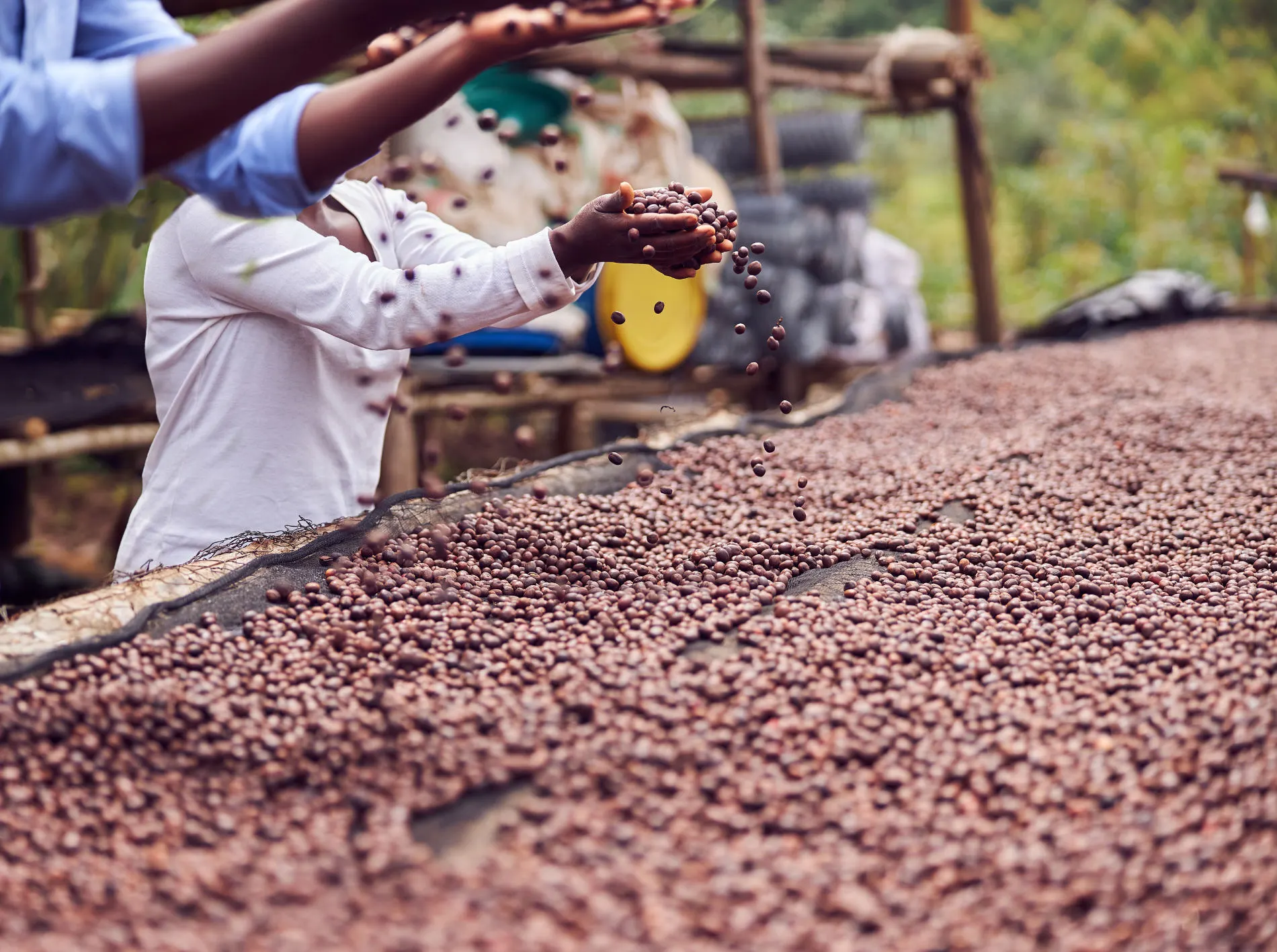
Instead of separating the beans from the fruit, as in the wet processing method, whole coffee fruits are spread out on special drying tables or on the patios of buildings to dry. The coffee fruits are regularly stirred and turned to prevent mold and excessive fermentation. Once completely dried, the coffee fruit becomes a hard shell around the coffee beans. This shell is then removed using special shelling machines.
After the shell is removed, the coffee beans are sorted and selected for quality and size, the coffees are bagged and prepared for transport to the roasting sites.
This method is prized for giving the coffee fruity flavor notes. It is very popular in regions where access to water is limited, as it does not require a large amount of water as the wet processing method does.
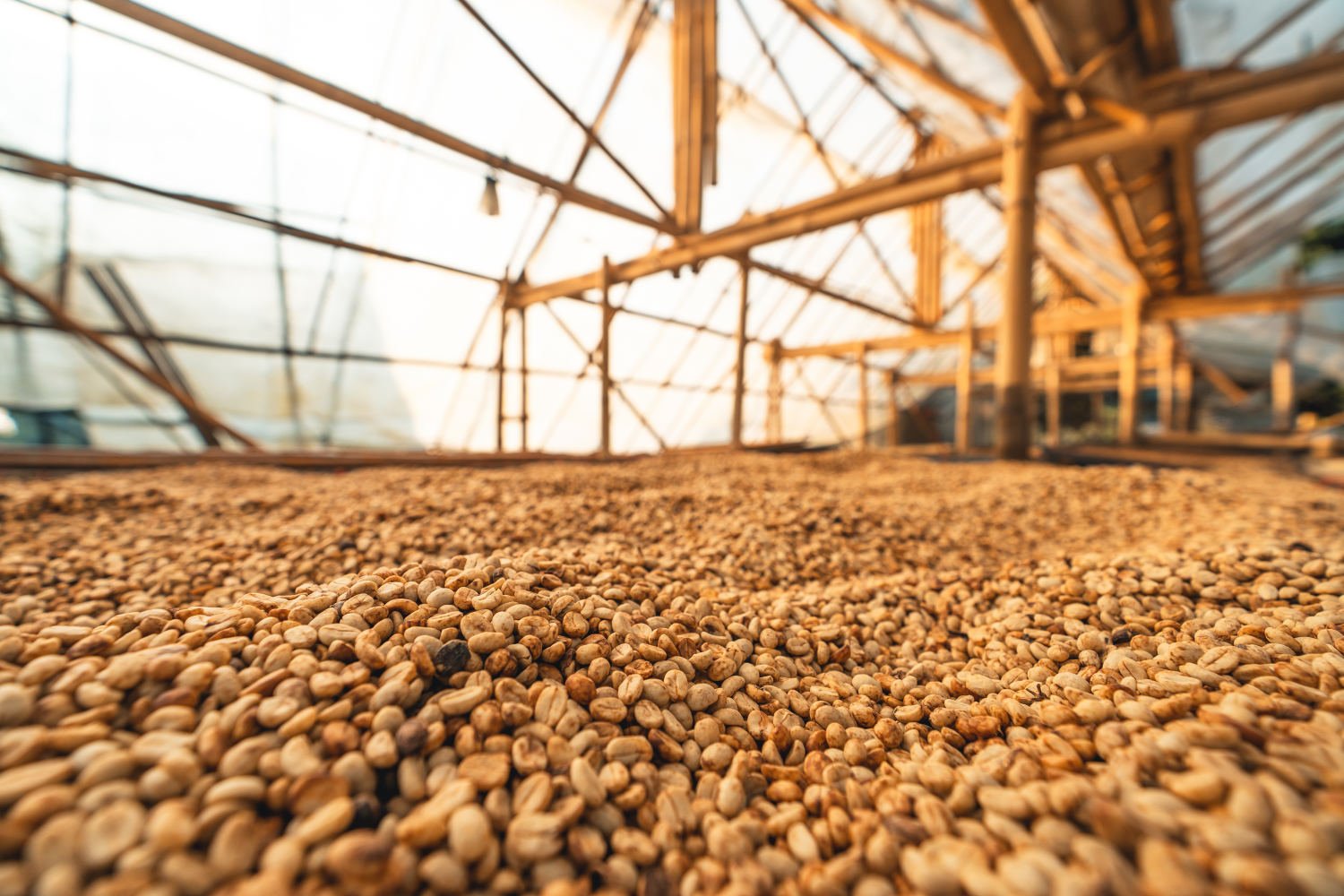
Hybrid method (Pulped Natural): This method combines features of both of the above approaches, where the fruit is partially removed and the seeds are dried with partial pulp. This method is relatively new and is being developed to experiment with different coffee flavors.
After the coffee fruit is harvested, it undergoes the process of separating the coffee beans from the pulp. This is the stage characteristic of the wet processing method. The coffee beans are submerged in water and undergo a short fermentation. This step is similar to the wet processing process and can affect the taste of the coffee.
After fermentation, the coffee beans are dried. In this phase, the method becomes more similar to natural processing because the beans are not subjected to such a thorough cleaning of the fruit pulp as in wet processing. The grains can be dried in the sun, on drying tables or otherwise, depending on the producer's preference. After the shell is removed, the coffee beans are sorted and selected for quality and size and then packaged and prepared for shipment.
The hybrid coffee processing method allows experimentation with different coffee flavor profiles, as it combines elements of both wet and dry processing. It can lead to coffees with different flavors that combine flavor notes characteristic of both processing methods. It's a process that continues to evolve, with farmers and coffee producers experimenting with different variations of the method to achieve the desired flavors and aromas.
Coffee processing: regional differences:
Each country and coffee region in the world is known for using specific coffee processing methods that work in concert with local climatic conditions, traditions and available resources. For example, in Colombia, the wet method is often used, which gives the coffee a bright and fresh flavor, while in Ethiopia, due to limited access to water, the natural method is preferred, giving the coffee an intense fruity-floral flavor and aroma.
Coffee Processing: Taste Differences:
Differences in coffee processing translate into significant differences in flavor. Coffees extracted with the wet method are often described as clean and more nuanced, while those with the natural method can be more fruity and exotic. The processing method affects the acidity, body and aroma of the coffee.
Experimentation and Innovation:
W dzisiejszych czasach, eksperymentuje się z różnymi rodzajami obróbki kawy. Możemy spotkać kawy „honey-processed” (obróbka miodowa), „anaerobic fermentation” (fermentacja beztlenowa) i wiele innych, które łączą różne aspekty tradycyjnych metod, co daje kawie nowe, fascynujące profile smakowe.
In summary, the coffee processing process is a key element in shaping the flavor that comes from the coffee we drink. Variations in processing methods bring an extraordinary variety of flavors and aromas to the world of coffee. What makes coffee such an exciting beverage is that behind every region and every plantation is a different coffee flavor. It's a journey to unknown culinary lands, where every cup is a new adventure.