DARMOWA DOSTAWA DLA ZAMÓWIEŃ POWYŻEJ 159ZŁ

The coffee roasting process is a key stage in coffee production that has a huge impact on its taste, aroma and quality. It is extremely complicated and requires great precision, experience and passion, yet it is one of the elements that give coffee its unique characteristics. In the following post, we will discuss each element of the coffee roasting process in detail, step by step.
Selection of coffee beans
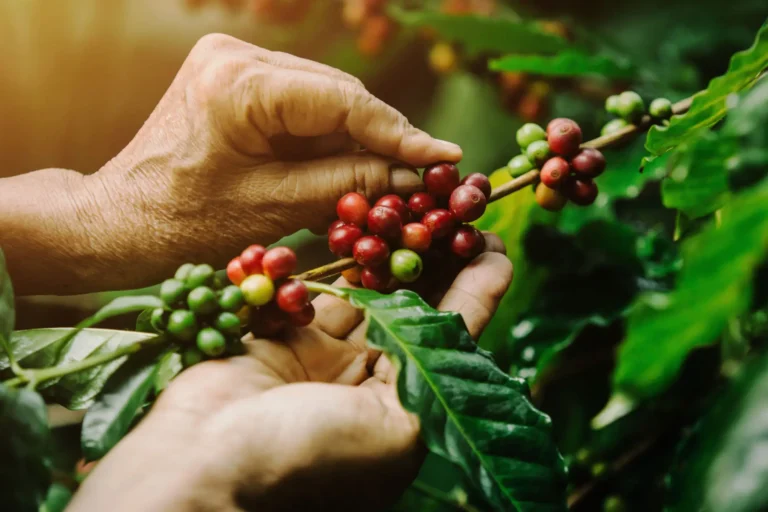
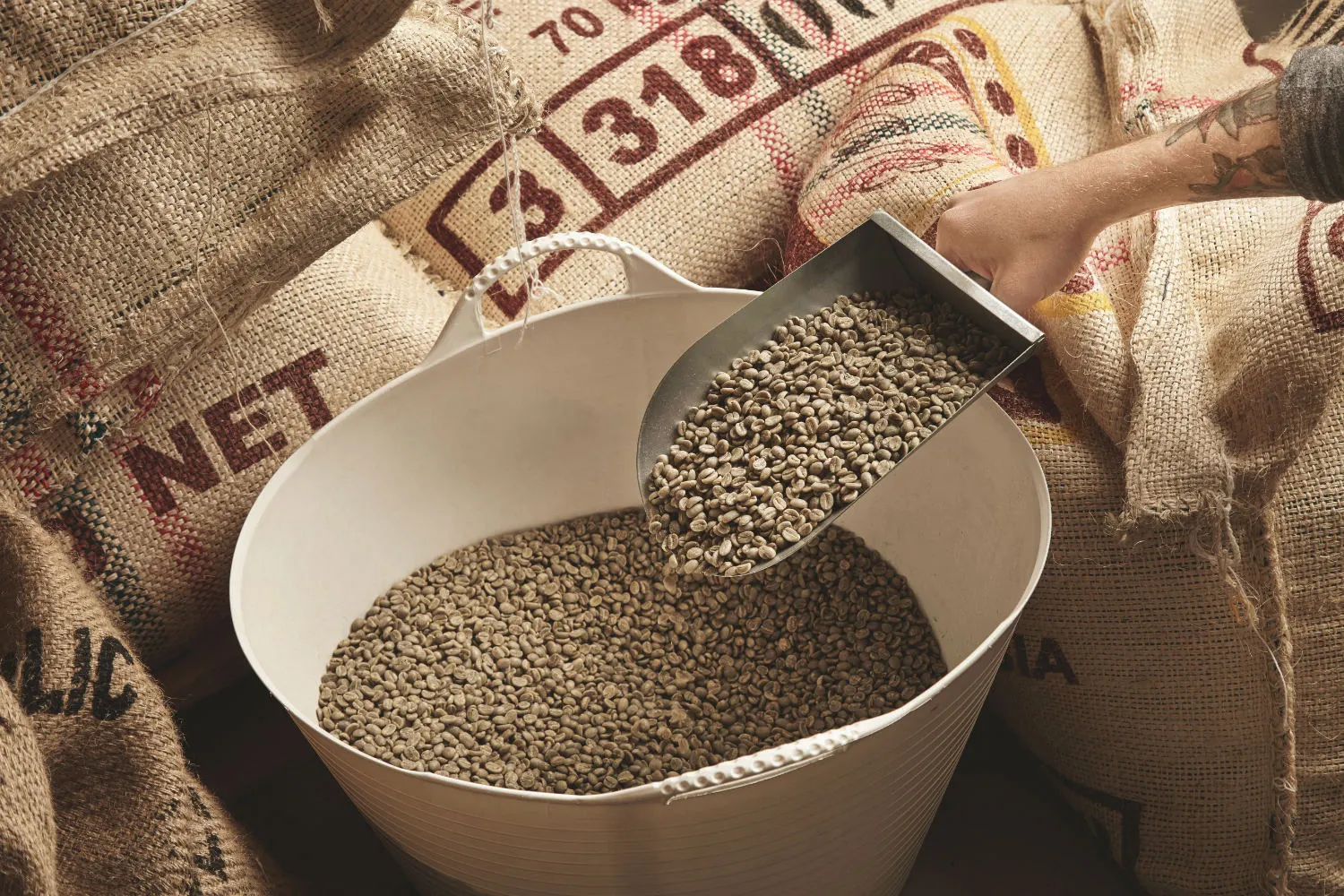
The coffee roasting process begins with the selection of the right coffee beans. Coffee is an agricultural product, so the quality of the beans is extremely crucial. When choosing a coffee bean, we are guided by a number of factors that have a direct impact on the taste and aroma of the final product. Among the main ones we can highlight the altitude of the crop, the botanical variety, the processing (wet/dry/hybrid) or the moisture level. We have described the popular botanical varieties and processing in other posts on our blog.
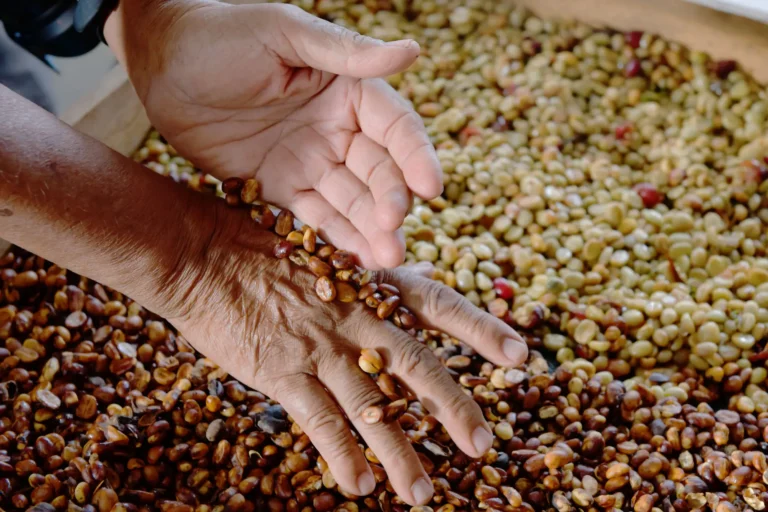
Before the coffee beans are roasted, they must undergo various processing steps, such as fruit removal, fermentation and drying. These steps help remove excess moisture and unnecessary substances, which improves the quality of the final product.
On the other hand, the height of the crop has a direct impact on the initial potential found in the coffee. The higher the growing altitude, the slower the fruit ripens, thus receiving a more complex final flavor and aroma.
Coffee roasting process
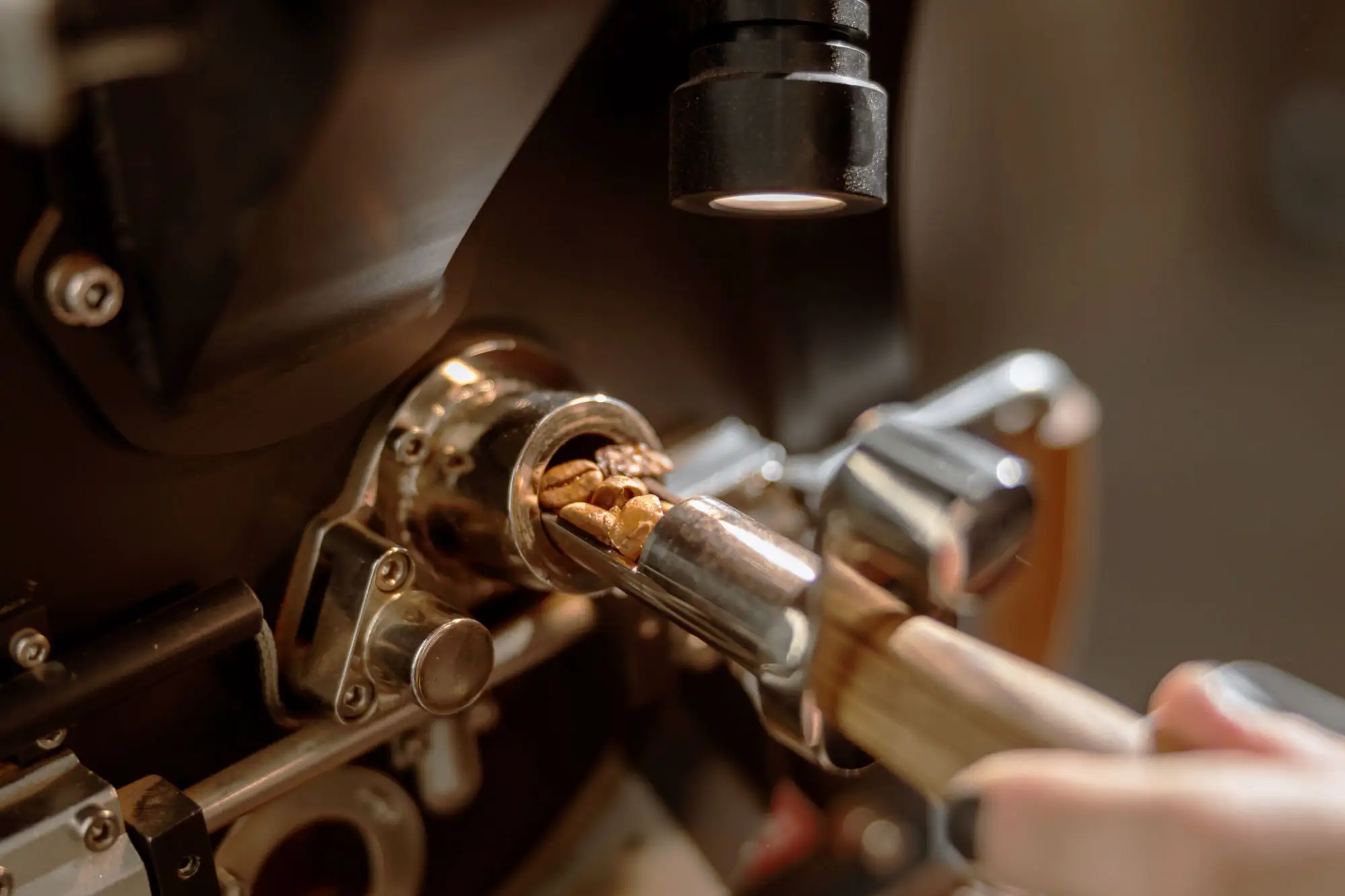
Coffee beans, which are ready for roasting, are introduced into a special furnace. This is the place where the roasting process takes place. When it comes to roasters, we can distinguish between two main ones: the drum roaster and the fluidization roaster. In the former, the coffee rotates inside the drum and is stirred using specially designed paddles. In the latter, both the mixing and the roasting itself are carried out using a strong stream of hot air.
The coffee roasting process itself can be divided into several phases:
- Drying Phase: In the initial phase, the moisture in the coffee beans begins to be heated and evaporates. Thanks to this, chemical reactions take place and the beans turn from green to yellow.
- Maillard Phase: During this process, many chemical compounds are formed. In addition, this process imparts a wide range of flavors to coffee, from sweet and fruity to roasted and bitter tasting notes.
- First crack phase: This is the key phase where the coffee's flavors develop to their full potential. The bean in this phase goes through a process of very rapid pressure buildup inside, leading to a characteristic popping sound like when preparing popcorn. At this point, the coffee bean begins to be fit for food use.
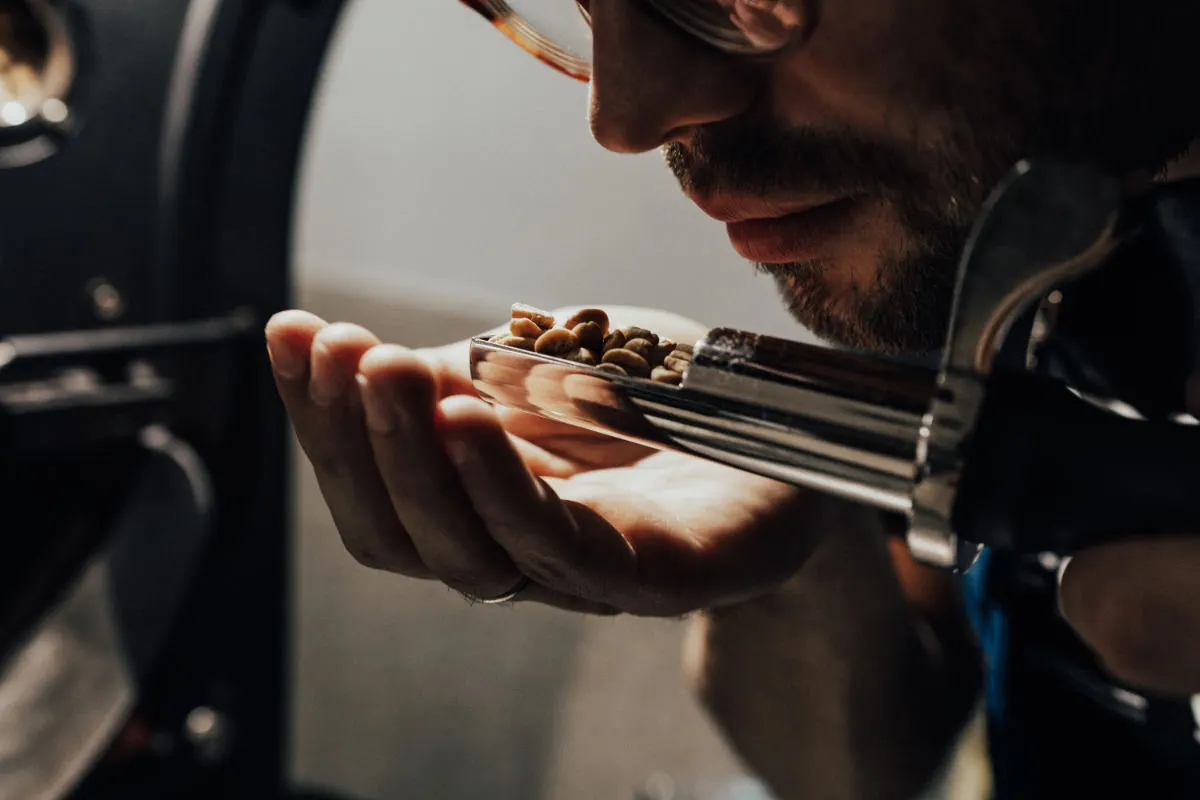
- Final development phase: This is the final phase counted from the first crack until the coffee beans are ejected from the roaster. Depending on the rate of temperature rise and the duration of this phase, we can obtain very sweet and fruity coffee how bitter and unpleasant. It is for this reason that the roasting process requires constant supervision and attention from the person roasting the coffee.
Cooling and sorting
After the roasting process, the hot coffee beans are immediately cooled to stop the roasting process and avoid loss of aroma. The beans are then sorted, any possible defects and impurities are removed.
Coffee resting after roasting
Coffee resting after roasting, also known as the "degassing period" or "resting period," is an important stage in the coffee production process after the coffee beans are roasted. During this period, coffee beans are subject to flavor and aroma changes associated with the roasting process. A resting period is necessary to allow the coffee to reach its optimal flavor profile.
The roasting of coffee beans produces carbon dioxide and other gases that are trapped in the coffee beans. During the resting period, these gases begin to release gradually. This can last from a few days to a few weeks, depending on the coffee producer's preference and the flavor characteristics he wants to achieve. During this period, the coffee should be protected from external influences such as moisture and light.
Packaging and distribution
Finally, the coffee is packaged and ready for delivery to consumers. For many roasters, it is important to keep the coffee fresh, so special packaging is used to protect it from light and air.
The process of roasting coffee is an art and a science. It is not only a technical process, but also passion and precision. It is through the process of roasting coffee beans that the unique taste and aroma that we love and appreciate in our cup every day is imparted.
With the right approach and expertise, coffee can become a true work of art that pleases the senses and provides an unforgettable taste experience.
It is because of the passion for the coffee roasting process that the Daily Cup was created!