DARMOWA DOSTAWA DLA ZAMÓWIEŃ POWYŻEJ 159ZŁ


Coffee is one of the most popular beverages in the world, and its taste and quality depend largely on how it is grown and processed on plantations. Coffee plantation is a key step in the "from bean to cup of coffee" process, which has a huge impact on the final product. In this article, we'll take a look at why coffee plantations are so important and what factors affect coffee quality.
Coffee plantation - the heart of coffee production
Coffee plantations are places where the coffee dream begins to become a reality. These are areas of land where coffee plants, the plants that produce the coffee fruit known as coffee cherries, are grown. Coffee plantations are scattered around the world in what is known as the coffee belt. The best ones are located in zones with the right climate, soil and altitude. Let's take a look at why these locations play such a key role in the coffee production process.
Impact of climate and growing conditions
The climate in which coffee plants grow has a huge impact on the taste of the coffee beans. That's why climate, soil, rain and sunshine on the plantation are key factors affecting the quality of coffee. Coffee plants need the right amount of rain and sunshine, as well as the difference between the rainy and dry seasons, to produce fruit with the desired flavor. In addition, most require volcanic soil for optimal development.
Coffee plantations often grow different varieties of coffee plants, and the selection of the right varieties has a significant impact on the taste and aroma of the beans. Varieties, such as Arabica and Robusta, differ both in flavor and in requirements for growing conditions. Arabica is prized for its delicate flavor and high quality, while Robusta has a more intense taste and higher caffeine content. Additionally, Arabica needs a higher growing height than Robusta and is more susceptible to all kinds of diseases, as we wrote more about in our comparison of Arabica and Robusta.

Harvesting process
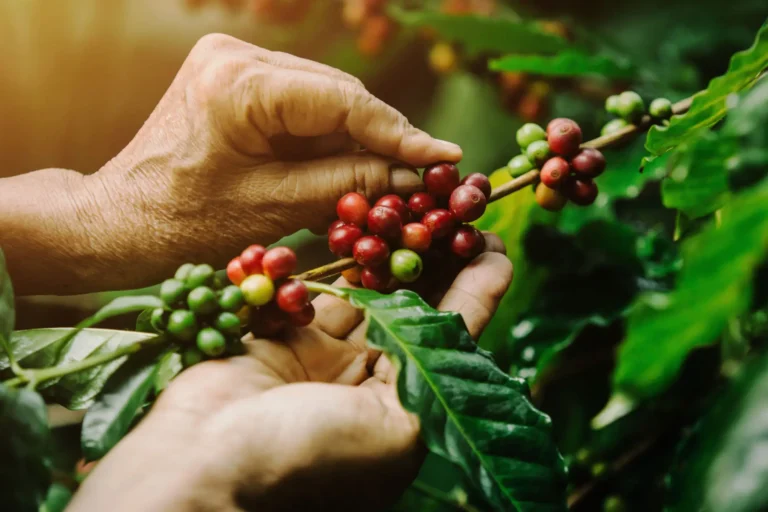
Harvesting coffee fruit is a delicate process that requires care and experience. Usually, the fruit is harvested by hand when ripe, which may require several harvests throughout the year. It is important to select only ripe fruit, as unripe or overripe fruit can negatively affect the taste of the coffee. In addition, the fruit should not be allowed to fall to the ground, as it will cause rot and increase problems with the growth of healthy bushes nearby.
That is why it is extremely important to train and have specialized workers. Often, however, these are the people who end up on the plantation for the harvesting period and then move on to other regions. These are also the people who earn the least in the entire coffee production chain. Because they are paid on the final weight of the harvested fruit, there may be unripe or overripe fruit in addition to the ripe ones.
Good coffee farms often perform rigorous quality control to ensure that only the best beans reach the market. As a result, they discard defective fruit to process only the mature ones. Quality control ensures that the coffee retains its unique flavor characteristics until it reaches our homes.
Processing and drying
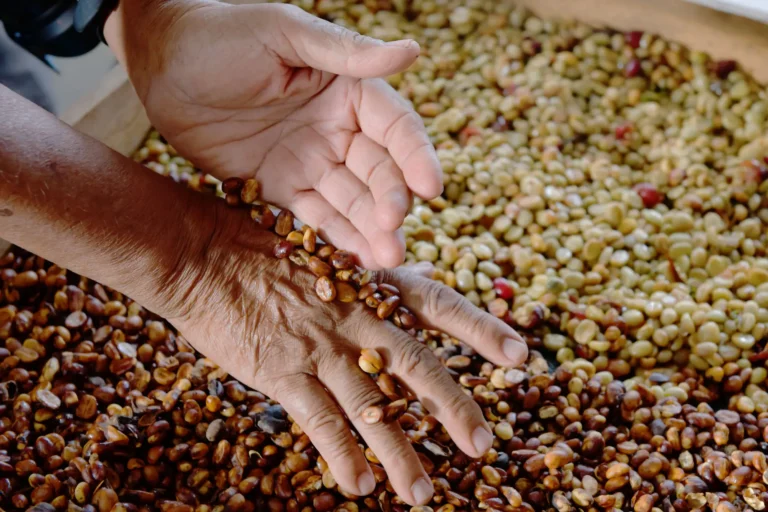
After harvesting, coffee fruits must undergo processing, which can take various forms. In the case of wet coffee, the fruit is washed, the pulp is removed and the beans are dried. In the case of dry coffee, the fruit is dried whole, and the beans are separated from the pulp after drying. This process has a key impact on the coffee's flavor and distinctive characteristics. You can read more about the coffee processing in our blog.
In summary, coffee plantations are the heart of the production of our favorite beverage. It is at coffee plantations that it is decided whether the coffee will be tasty and flavorful or mediocre. That's why it's so important to understand how many factors affect the quality of coffee at every stage of the process - from the bean to the cup.
It is worth recognising the effort and endeavour of all those involved in coffee production, from the growers to the plantation workers, because it is thanks to them that we can enjoy the great taste of coffee every day.