DARMOWA DOSTAWA DLA ZAMÓWIEŃ POWYŻEJ 159ZŁ

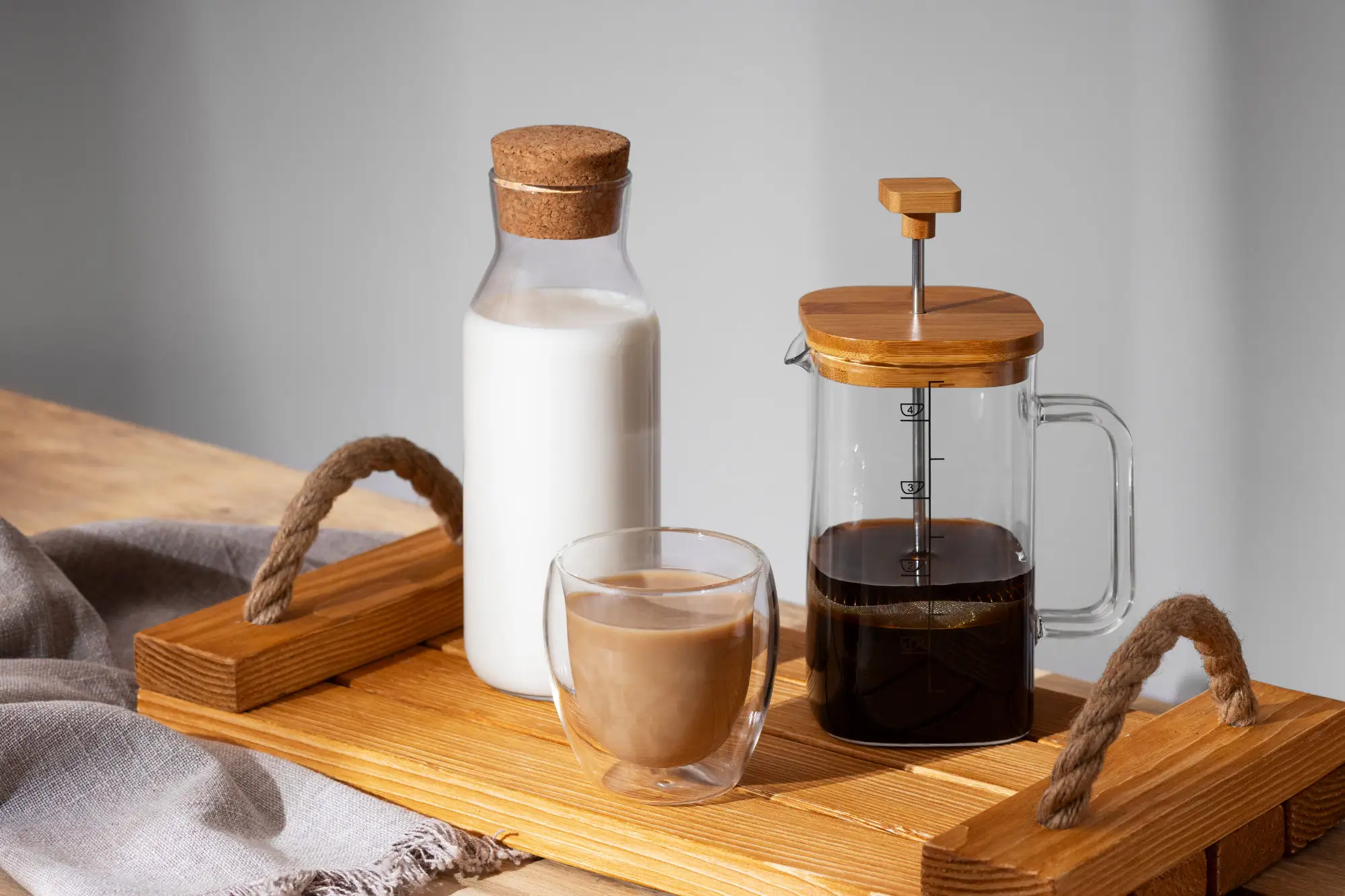
In the field of home coffee brewing, there are many methods to choose from, each offering a different taste experience. One of the most popular and well-liked methods is the French Press. This is a simple but effective way of brewing coffee that allows you to enjoy the full range of coffee bean flavors. In this post, we'll take a look at the French Press coffee brewing process, its history and what makes it so popular with coffee drinkers around the world.
A brief history of the French Press
The French Press, despite its name, has an unclear origin story. It is widely believed to have been invented by Italian Attilio Calimani in the late 1920s. However, it wasn't until the mid-20th century that the French Press as we know it today gained popularity. Frenchman Faliero Bondanini patented a stainless steel mesh design that replaced traditional cloth or metal filters. This innovation revolutionized the functionality and ease of cleaning the device.
Although the design of the French Press has evolved over the years, its basic principles have remained the same. It is a simple and effective way of brewing coffee to bring out flavors and aromas.
Construction and components
The French Press is an uncomplicated device, consisting of several key components:
Carafe: A carafe is usually made of glass, but you can also find options made of stainless steel or plastic. It stores ground coffee and hot water and is the main place for brewing coffee.
Piston: The piston consists of a handle, a metal or plastic rod and a metal or nylon mesh filter. The plunger is used to separate the grounds from the brewed coffee.
Lid: The lid seals the top of the carafe, retaining heat and aroma while brewing.
Mesh filter: This is the key part that separates the grounds from the liquid. It allows the coffee to brew while retaining the ground beans.
Brewing process:
Brewing coffee with a French Press is a relatively simple process, and it is this simplicity that appeals to many coffee lovers. Here's how it's done:
- Measure the coffee: The standard ratio of coffee to water is 15 grams of coffee per 250ml of water. Adjust this ratio to your taste preference.
- Prepare the carafe: Pour hot water into the French Press to heat it up and wait several seconds for the carafe to come up to temperature. Then pour out the water.
- Add ground coffee: Place the ground coffee in the heated French Press. The coffee does not need to be ground very coarsely, but it must not be so fine that it passes through the stainless steel mesh filter when the piston is squeezed.
- Bloom: Pour in enough hot water to saturate the coffee grounds. Allow the coffee to brew for about 30 seconds. This will release the gases in the coffee such as carbon dioxide and allow the coffee to develop its full flavor.
- Pour in the rest of the water: Slowly pour in the remaining hot water, making sure all the coffee is soaked. Leave some space at the top of the brewer.
- Gently stir the coffee and water: This is to ensure even saturation of the grounds.
- Place the lid: Place the lid on the French Press with the plunger pulled up.
- Brewing: Let the coffee brew for about 4 minutes. Adjust the brewing time to control the strength of the coffee according to your preference.
- Re-intend the coffee: Pull out the plunger and gently stir the brewed coffee. This is to make most of the brewed coffee particles fall to the bottom.
- Press: Put the plunger back on and wait a minute for the particles to sink to the bottom. Then press the plunger very slowly and evenly to separate the floating grounds from the brewed coffee.
- Pour Brewed Coffee: Gently tilt the carafe and pour the coffee into the cup in a thin stream. This is to avoid stirring up grounds from the bottom of the carafe, and generates a cleaner brew At last, you can enjoy the rich, full flavor of your favorite beverage.
Why is the French Press so popular?
- Full extraction: French Press is an imersive brewing method, ensuring that all the flavors and oils are extracted from the coffee grounds. The result is a rich and varied cup of coffee.
- Customizability: The French Press is extremely versatile. You can test variables such as grind size, coffee-to-water ratio and brewing time to customize the taste to your liking.
- No paper filter: Unlike many other brewing methods that use paper filters, the French Press uses a metal mesh filter that lets the natural oils and microbeads pass through. This produces coffee with a thicker consistency and more complex flavor.
- Ease of use: Thanks to its minimal design and ease of use, the French Press is ideal for both beginners and experienced coffee enthusiasts.
- This method doesn't require electricity or special equipment, making it a great choice for camping, traveling or any situation where you don't have access to conveniences like a pressurized coffee maker and have trouble finding a good coffee shop nearby.
Your very own milk frother
Not everyone knows, but the French Press works wonderfully as a homemade milk frother. Pour warm milk (around 60 degrees C) into the carafe, insert the plunger and move it vigorously up and down. Depending on the amount of milk and the speed of the movements, our milk will have more or less air bubbles. However, its consistency is quite enough to prepare a homemade latte or cappuccino.
In conclusion, the French Press is a beloved and classic method of brewing coffee at home for a reason. It delivers full-bodied flavor and aroma in a cup, and provides the option to customize the final taste to your preference. Whether you're a newcomer to brewing coffee or a seasoned enthusiast, the French Press is a reliable and satisfying way to enjoy your favorite beverage.