DARMOWA DOSTAWA DLA ZAMÓWIEŃ POWYŻEJ 159ZŁ

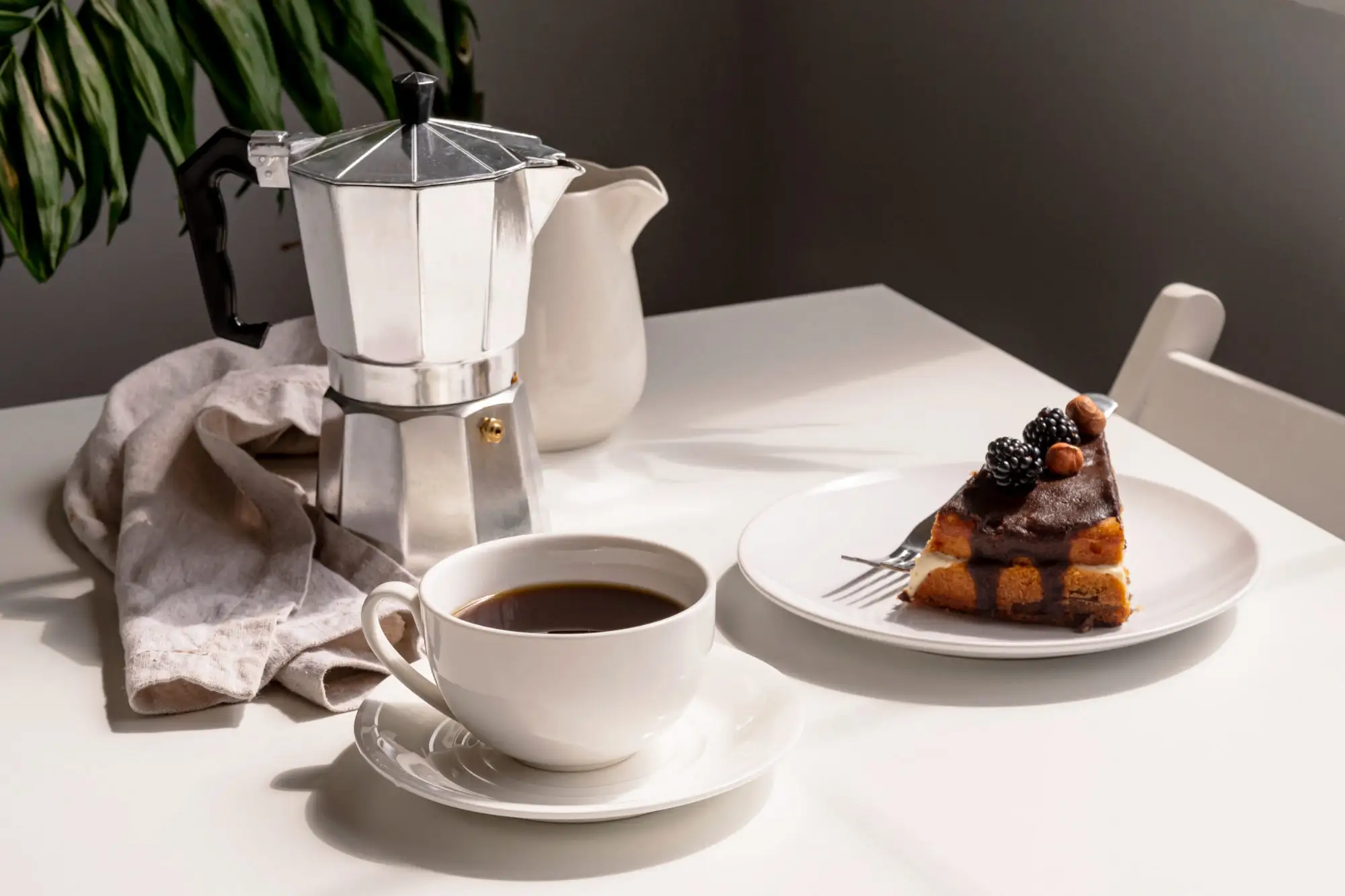
Our "Big Five" series of home coffee brewing methods outlines the most popular ways to get a delicious cup of coffee at home. In this series we describe automatic coffee makers, drippers and other popular brewers. It also could not miss such a valued method as the Moka Pot. Therefore, let's see how this simple method has gained so much popularity.
A drop of history
The Moka Pot, also known as a "caffettiera" or "macchinetta," originated in Italy in the early 1930s. It was invented by Alfonso Bialetti, an Italian engineer. Bialetti was inspired by a desire to create an easy-to-use machine that could produce espresso-like coffee. He wanted to bring the Italian café experience into the homes of ordinary people. The coffee machine quickly gained popularity in Italy and abroad, becoming an iconic symbol of Italian coffee culture.
How does the cafe work?
The design of the Moka Pot has remained largely unchanged since its inception. It consists of three main parts: a lower chamber for water, a funnel-shaped middle basket for ground coffee, and a top chamber for brewed coffee. The three parts are securely screwed together, and the coffee maker is placed on a heat source. When the water in the lower chamber boils, the steam pressure pushes the hot water up through the ground coffee in the filter, and the brewed coffee collects in the upper chamber. It is a simple and elegant brewing process that has stood the test of time.
Flavor profile:
Moka Pot is known for its rich, intense and full-bodied flavor. It generates a consistency somewhere between espresso and pour-over coffee, creating a concentrated, aromatic brew. The flavor can vary depending on factors such as the variety of coffee beans, the grind size and the duration of the brewing process.
Advantages of the Moka Pot:
- Convenience: This is a relatively simple and convenient method of brewing strong coffee at home, and the process is quick.
- Affordability: The Moka Pots are affordable and when cared for produce a delicious brew for years.
- Compact size: They come in a variety of sizes, making them suitable for single servings or large coffee for more people.
- Flavor Control: You have control over the strength of your brew by adjusting the coffee-to-water ratio and grind size.
Disadvantages of the Moka Pot:
- Initial learning: Achieving the perfect brew may take some practice, especially if you are new to coffee machines. The main factor on which the speed of the brewing process depends is the power of the heat energy supplied to the cafe whether it is a gas, electric or induction cooktop.
- Maintenance: Proper cleaning and maintenance are key to ensuring that the Moka Pot continues to produce excellent coffee.
- Strong brew: If you prefer a milder coffee, a cafe brew may be too strong for your taste.
- Aluminum construction: In the case of most coffeemakers, we're talking about an aluminum construction that doesn't want to work with modern induction cooktops, although special coasters for induction cooktops have already appeared, on which we can place any coffeemaker.
Tips for perfect brewing in a Moka Pot:
- Use freshly ground coffee beans to get the best flavor.
- Heat the water before filling the lower chamber.
- Fire/energy control is the key factor in turning a bitter cup into a delicious coffee brew. When hot water is poured into the lower chamber, the brewing temperature should be low enough so that the entire process of getting the coffee out at the top does not begin until 2 minutes after the coffee maker is placed on the plate.
All in all, the Moka Pot is a fantastic addition to any coffee lover's collection. We have used it many times ourselves. It is a versatile, inexpensive and iconic way to brew coffee at home. And if we like milky coffees and have a French Press at home, we can enjoy the milk frothed in it brilliantly as an addition to our favorite lattes and cappuccinos. While it may take some practice to master the brewing process, the rich and flavorful results are well worth the effort. Stay tuned for the next installment of our "The Big Five..." series, where we'll explore another classic method for brewing coffee at home.